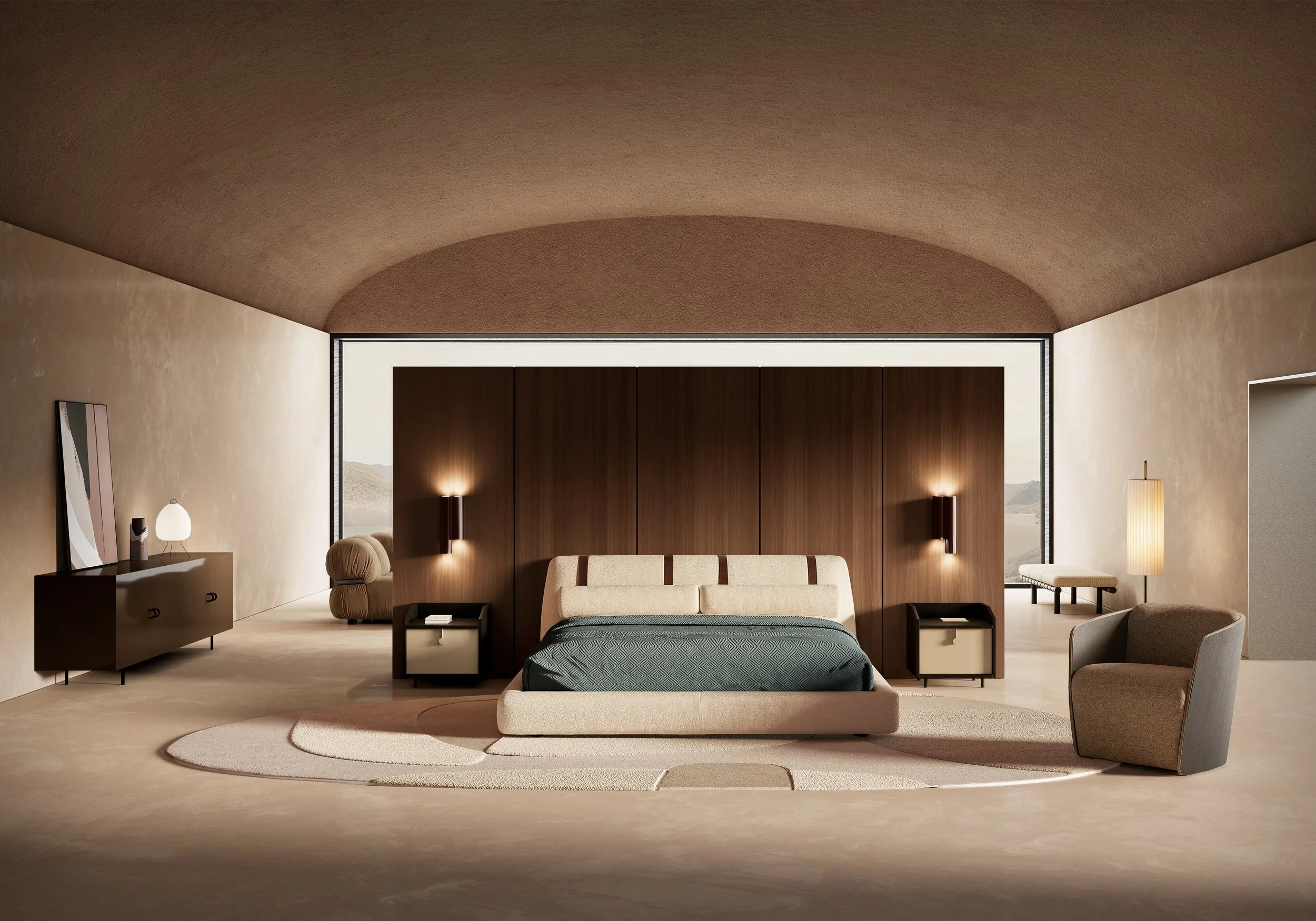
The Kokuyo Yuimori Collection
/The Kokuyo Yuimori Collection
The Yuimori collection by Kokuyo represents a structural shift in commercial furniture design. Conceived by architect Keiji Ashizawa, the series forms an intentional response to resource responsibility, balancing minimalist geometry with advanced Japanese engineering.
Material Origin and Forestry Conservation
The foundation of the collection rests on domestic timber management. Each piece utilises Japanese Hinoki cypress harvested during necessary thinning operations within the FSC-certified Yui-no-Mori conservation project in Kochi Prefecture. This practice allows sunlight to reach the forest floor, maintaining regional biodiversity while delivering a stable supply of raw architectural material.
Technical Engineering by Tendo Mokko
Hinoki cypress is a soft coniferous wood, historically avoided in high-use furniture manufacturing due to its delicate composition. To ensure structural durability for commercial and residential environments, Kokuyo partnered with specialised fabricators Tendo Mokko. Utilising precision molded plywood techniques, the natural grain is compressed into high-strength architectural profiles that maintain a lightweight footprint.
Circular Architecture and Material Disassembly
Sustainability within the Yuimori series dictates an engineered end-of-life protocol. Every lounge chair, sofa, and table component is structured for straightforward manual disassembly, allowing distinct materials to be separated and recycled individually at the end of their lifecycle. Seating configurations feature detachable cushions specified with technical textiles woven entirely from recycled PET bottles and recycled ocean plastics.
Specification for Australian Projects
The Yuimori collection spans lounge seating, modular sofas, and communal tables configured for flexible workplace layouts, hospitality environments, and private architecture.
Exclusively available through ideare.
Inquire for technical data sheets, material samples, and project allocations.